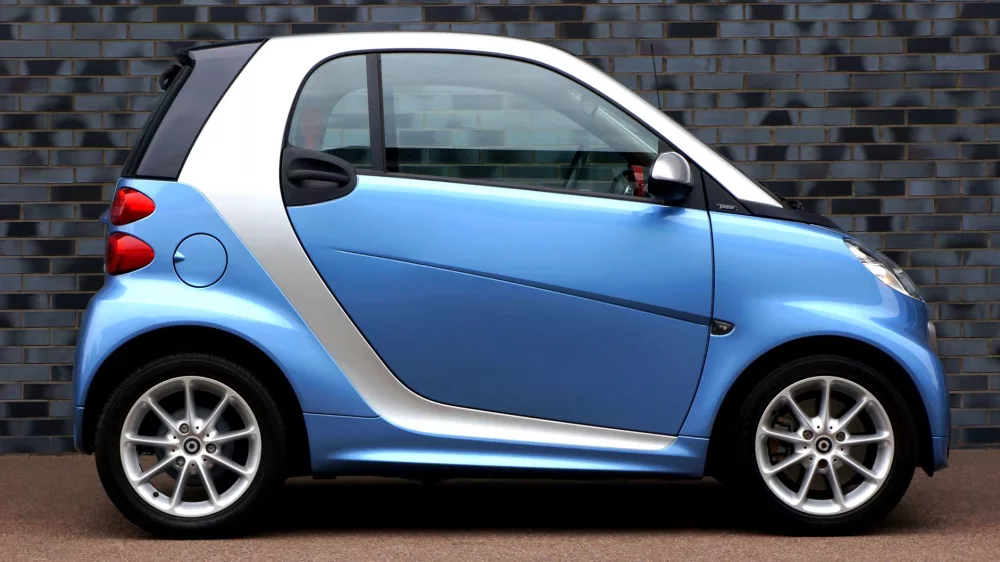
When we talk about 'smart cars' today, it's not just about a fancy navigation system anymore. I mean, we're really looking at a revolution in how we interact with our vehicles, how they connect with the world around them, and even how they drive themselves. It's a fascinating subject, truly. For me, these aren't just cars; they're mobile computing platforms, and they're reshaping our entire understanding of transportation.
So, what exactly makes a car 'smart'? At its core, a smart car is a vehicle equipped with advanced technologies designed to enhance safety, efficiency, comfort, and connectivity. Think about it: we're moving from simple mechanical devices to complex, integrated systems that often learn and adapt. It's quite incredible how far we've come in such a relatively short time.
The Technological Backbone: What Powers These Smart Machines?
It's easy to admire the flashy screens and autonomous features, but the real magic is happening under the hood and throughout the vehicle's architecture. There's a whole symphony of technologies working in harmony.
Sensors: The Eyes and Ears of a Smart Car
- Radar: These guys are essential for detecting speed and range, helping with things like adaptive cruise control and automatic emergency braking. They're pretty good at seeing through tough weather conditions, which is a big plus.
- Lidar (Light Detection and Ranging): Lidar uses laser pulses to create detailed 3D maps of the car's surroundings. It's super accurate for distance and object detection, a key component for higher levels of autonomous driving.
- Cameras: Just like our own eyes, cameras provide visual information, identifying lane markings, traffic signs, pedestrians, and other vehicles. Advanced image processing software then makes sense of all this visual data.
- Ultrasonic Sensors: You'll usually find these smaller sensors used for short-range detection, perfect for parking assist systems and blind-spot monitoring. They're great for those tight spots!
Connectivity: The Car's Link to the World
Connectivity is absolutely crucial. Without it, a smart car is just a very advanced, isolated machine. We're talking about the ability for a vehicle to communicate with other vehicles (V2V), infrastructure (V2I), pedestrians (V2P), and the network (V2N). This whole ecosystem is often referred to as V2X (Vehicle-to-Everything).
- 5G and Wi-Fi: High-speed internet access allows for over-the-air (OTA) updates, real-time traffic information, cloud-based services, and seamless infotainment streaming. Imagine your car getting smarter overnight with just a software update – that's 5G at work!
- GPS and GNSS: Precise positioning is non-negotiable for navigation and autonomous functions. These systems help the car know exactly where it is on the planet.
Artificial Intelligence and Machine Learning
This is where things get really exciting. AI is the brain of the smart car. It processes the vast amounts of data collected by sensors, makes decisions, and predicts outcomes. Machine learning algorithms allow the car to learn from experience, continually improving its driving performance and adapting to new situations. It's how these cars can differentiate between a plastic bag and a small animal, or anticipate the actions of another driver. That's pretty wild when you think about it.
Putting It All Together: Key Features and Capabilities
So, with all that tech, what can smart cars actually do?
Advanced Driver-Assistance Systems (ADAS)
These are the features most of us are already experiencing. They don't replace the driver, but they certainly lend a helping hand.
- Adaptive Cruise Control: This isn't just maintaining a set speed; it adjusts your speed to keep a safe distance from the car in front. It's a game-changer for highway driving, I've found.
- Lane-Keeping Assist and Lane Centering: These systems help prevent accidental lane departures and can even gently steer the car to keep it in the center of its lane.
- Automatic Emergency Braking (AEB): This system can detect potential collisions and apply the brakes automatically if the driver doesn't react in time. It's a huge safety boon.
- Blind Spot Monitoring: Those pesky blind spots? Sensors warn you if there's a vehicle lurking there when you're about to change lanes.
- Parking Assist: From simple alerts to fully automated parallel and perpendicular parking, these systems take the stress out of tight parking situations.
Infotainment and User Experience
Modern smart cars offer a seamless, connected experience inside the cabin.
- Voice Assistants: Control navigation, music, calls, and even climate settings using natural language commands.
- Integrated Navigation: Real-time traffic updates, alternative route suggestions, and points of interest all at your fingertips.
- Entertainment: Streaming services, Wi-Fi hotspots, and compatibility with smartphone apps make long journeys much more enjoyable for passengers.
The Dream of Autonomous Driving
This is probably what most people think of when they hear 'smart car'. We've got a spectrum here, defined by the Society of Automotive Engineers (SAE) into levels from 0 to 5:
- Level 0-2 (Driver Assistance): The driver is still responsible but gets help from systems like ADAS. Most cars on the road today fit here.
- Level 3 (Conditional Automation): The car can handle driving tasks under specific conditions, but the driver must be ready to take over. Think highway driving where you might read a book, but only if the car tells you it's safe.
- Level 4 (High Automation): The car can operate autonomously within a defined operational design domain (ODD) – perhaps a specific city or highway network – and won't require human intervention.
- Level 5 (Full Automation): The car can drive itself in all conditions, everywhere, without any human input whatsoever. This is the ultimate goal, and it's still some way off.
The Impact: Benefits and Challenges
It's not all sunshine and rainbows, but the potential upsides are enormous.
Obvious Benefits
- Enhanced Safety: ADAS features are already significantly reducing accidents and fatalities. Autonomous tech promises even greater reductions by eliminating human error.
- Improved Efficiency: Smart cars can optimize routes, reduce congestion through V2X communication, and even drive more fuel-efficiently.
- Increased Convenience and Comfort: Imagine a world where your car parks itself, or you can relax, work, or sleep during your commute. That's pretty appealing, isn't it?
- Accessibility: Autonomous vehicles could offer unprecedented mobility to those currently unable to drive, like the elderly or people with disabilities.
The Hurdles We're Facing
Of course, this transformation isn't without its complexities. There are some serious considerations we need to address as a society.
- Cybersecurity: A connected car is a potential target for hackers. Protecting these vehicles from malicious attacks is absolutely paramount. Imagine someone remotely taking control of your car – it's a terrifying thought.
- Data Privacy: Smart cars collect a huge amount of data about us: where we go, how we drive, what we listen to. Who owns that data, and how is it protected? These are questions we're still grappling with.
- Ethical Dilemmas: In a rare, unavoidable accident scenario, how does an autonomous vehicle decide who to protect? These are incredibly difficult moral questions that engineers and ethicists are trying to solve.
- Infrastructure Readiness: For V2I communication to really shine, our roads, traffic lights, and urban environments need to catch up and become 'smart' themselves.
- Cost and Adoption: The cutting-edge technology in smart cars can be expensive, making them inaccessible to many. Broad adoption will require prices to come down significantly.
What Does the Future Hold?
Looking ahead, I believe smart cars will continue their rapid evolution. We're going to see even deeper integration into smart city ecosystems, where vehicles communicate seamlessly with public transport, smart traffic management systems, and even our homes. Subscription models for features will likely become more common, perhaps even changing how we view car ownership entirely.
The lines between personal vehicle, public transport, and even mobile living spaces are going to blur. I fully expect to see vehicles that aren't just transportation but also mobile offices, entertainment hubs, or even temporary homes. It's a profound shift in thinking. The journey of the smart car has just begun, and frankly, I'm pretty excited to see where it takes us.